Mastering the Art of Digital Impasto with Procreate Oil Brush Saturated Wet on Dry
The boundary between traditional media and digital creation has never been thinner. For decades, artists struggled to replicate the tactile satisfaction of oil paint on canvas within a digital environment. The friction, the resistance, and the way pigment sits atop a textured surface were elements that flat screens seemed incapable of conveying. However, recent advancements in brush engine technology have shifted this paradigm entirely. At the forefront of this evolution is the Procreate Oil Brush Saturated Wet on Dry, a tool designed not just to mimic the look of oil paint, but to simulate the physical behavior of wet pigment interacting with a dry, textured surface.
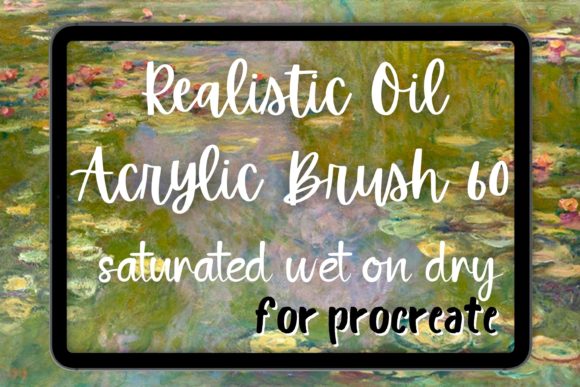
This shift is more than a technical novelty; it represents a fundamental change in how modern creators approach digital painting. Whether you are a professional illustrator, a hobbyist exploring impressionism, or a marketer looking to create unique visual assets, understanding the mechanics of these advanced brushes can elevate your work from simple digital drawings to rich, painterly compositions. The demand for authenticity in digital art is growing, and tools like the Procreate Oil Brush 60 Saturated Wet on Dry Realistic Oil Painting Brush for Procreate are meeting that need by offering an experience that feels remarkably close to working with real life brush strokes.
The Evolution of Digital Texture and Painterly Workflows
In the early days of digital art, brushes were often uniform and predictable. They lacked the chaotic beauty of natural media. Today, user expectations have changed. Audiences and clients alike are drawn to work that possesses depth, history, and human imperfection. This is where the concept of Saturated color application becomes critical. Unlike standard digital fills, a saturated wet-on-dry technique allows colors to blend organically while maintaining their vibrancy, much like high-quality tube oils.
The relevance of this technology lies in its ability to bridge the gap between efficiency and expression. Modern workflows require speed, but they also demand quality. A procreate bundle that includes specialized oil brushes allows artists to skip the tedious process of manually texturing every layer. Instead, the brush engine handles the complex calculations of how paint should spread, clump, and dry. This enables creators to focus on composition and light rather than fighting against the software.
Furthermore, the rise of social media platforms has amplified the appreciation for painterly aesthetics. Viewers scroll past clean, vector-based graphics quickly, but they pause for images that evoke emotion through texture. The visible evidence of the artist’s hand—seen in distinct oil brush strokes—creates a connection that sterile digital perfection often lacks. This trend has driven developers to refine algorithms that simulate the viscosity of paint, resulting in tools that feel responsive and alive.
Understanding the Wet-on-Dry Mechanism
To truly leverage the potential of the wet oil brush, one must understand the physics it simulates. In traditional painting, "wet on dry" refers to applying fresh, wet paint onto a layer that has already dried. This technique allows for sharp edges, controlled blending, and the buildup of texture without muddying the underlying colors. It is the cornerstone of many classical techniques and is essential for achieving the layered depth seen in the works of masters like Van Gogh.
When using a van gogh brush or a similar tool in Procreate, the software replicates this interaction. As you drag the stylus across the screen, the brush deposits pigment that sits on top of previous layers. It does not simply mix colors into a gray sludge; instead, it allows for optical mixing. This is particularly effective for abstract painting and expressive landscapes, where the direction and pressure of the stroke convey movement and energy.
The term Saturated in this context refers to the density of the pigment. A saturated brush lays down thick, opaque color that covers what is beneath it, mimicking the heavy body of oil paint. This is distinct from watercolor or ink brushes, which rely on transparency. By controlling the flow and opacity settings alongside a high-saturation brush, artists can achieve a range of effects from thin glazes to thick impasto peaks.
Practical Applications for Creators and Businesses
The utility of these brushes extends beyond fine art. For entrepreneurs and marketers, creating unique brand imagery is crucial. Using a procreate van gogh style brush can help differentiate a brand’s visual identity in a crowded market. Imagine a tech company using textured, painterly backgrounds for their website headers instead of generic stock photos. The result is a warmer, more humanized brand presence that resonates with audiences seeking authenticity.
Educators and content creators also benefit from these tools. Tutorials that demonstrate traditional techniques become more accessible when the digital tools behave predictably. An instructor teaching impressionism can show students how to break down light and color using short, distinct strokes, knowing that the digital brush will respond similarly to a bristle brush on canvas. This lowers the barrier to entry for students who may not have access to a physical studio.
For freelancers and business owners, time is money. A well-crafted procreate oil brush reduces the need for post-processing. There is less need to add artificial noise or texture overlays in Photoshop because the texture is baked into the stroke itself. This streamlines the workflow, allowing for faster turnaround times on client projects without sacrificing artistic integrity.
Techniques for Maximizing Realism
Getting the most out of your acrylic brush or oil simulation requires a shift in mindset. Here are several practical recommendations for integrating these tools into your practice:
- Embrace Imperfection: Do not try to make every line perfect. The charm of oil painting lies in its unpredictability. Allow the brush to skip and catch on the digital canvas texture.
- Layer Strategically: Start with thin washes to establish values, then build up thickness with the Saturated settings. This mimics the traditional "fat over lean" rule of oil painting.
- Vary Your Stroke Direction: To achieve a true van gogh oil effect, follow the form of your subject. If painting a tree, let the strokes follow the bark’s grain. If painting sky, use sweeping horizontal motions.
- Utilize Canvas Textures: Ensure your Procreate canvas has a subtle grain enabled. The interaction between the wet on dry brush and the canvas grain is what creates the realistic friction and break-up of color.
- Experiment with Color Mixing: Instead of picking colors from the wheel constantly, try mixing them directly on the canvas using the smudge tool or by dragging wet paint over dry areas.
The Future of Digital Materiality
As technology advances, the distinction between physical and digital media will continue to blur. We are moving toward an era where haptic feedback and high-resolution displays make the sensory experience of digital painting nearly indistinguishable from the real thing. Tools like the Procreate Oil Brush 60 Saturated Wet on Dry are precursors to this future, offering a glimpse into how software can respect the materiality of art.
This evolution is not about replacing traditional methods but expanding the toolkit available to creators. It allows for experimentation without the cost of materials or the cleanup time. It enables artists to iterate quickly, test bold ideas, and produce work that carries the emotional weight of traditional media. For the curious reader or the seasoned professional, embracing these tools opens up new avenues for expression.
Ultimately, the value of a procreate bundle featuring realistic oil brushes lies in its ability to empower creativity. It removes technical barriers and invites users to play, explore, and create with confidence. Whether you are aiming for the swirling skies of procreate van gogh inspirations or the bold textures of modern abstract expressionism, the right brush makes all the difference. By understanding the mechanics of saturated, wet-on-dry application, you can unlock a level of realism and depth that transforms your digital canvas into a vibrant, living surface.