Mastering Texture and Depth with Procreate Oil Brush 35 Dry Impasto Grit
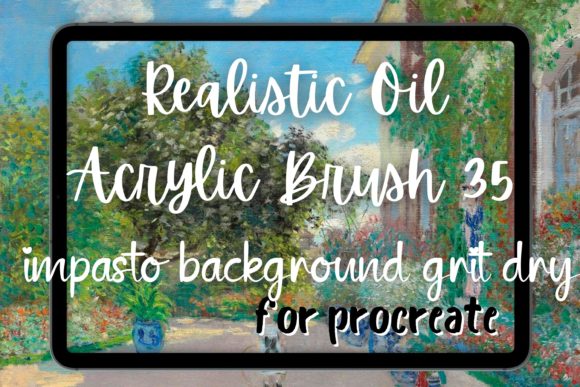
In the digital art landscape, the gap between flat illustration and tactile realism is often defined by texture. For professionals and serious hobbyists alike, achieving that authentic painterly look requires more than just color theory; it demands tools that mimic the physical resistance and buildup of traditional media. This is where the Procreate Oil Brush 35 Dry Impasto Grit becomes a strategic asset in your creative toolkit. It is not merely a brush preset; it is a simulation of physical interaction, designed to replicate the friction of bristles against canvas and the granular quality of dry pigment.
When you integrate this specific tool into your workflow, you are making a deliberate choice to prioritize depth and organic imperfection over sterile precision. Whether you are creating brand assets, editorial illustrations, or fine art pieces, understanding how to leverage the dry impasto effect can significantly elevate the perceived value of your work. The brush captures the essence of Van Gogh oil techniques, allowing for thick, expressive strokes that carry emotional weight and visual interest.
The Strategic Value of Authentic Texture in Digital Workflows
Many creators underestimate the psychological impact of texture on an audience. In a world saturated with smooth, vector-based graphics and AI-generated perfection, artwork that exhibits gritty texture stands out because it feels human. The Procreate Oil Brush 35 Dry Impasto Background with Grit allows you to establish this human connection immediately. By simulating the irregularities of real-life brush strokes, you introduce a level of complexity that keeps the viewer’s eye engaged.
From a branding perspective, using tools like the Procreate Van Gogh style brushes can help differentiate your visual identity. If your goal is to convey warmth, heritage, or artisanal quality, the rough, tactile nature of dry brush techniques is far more effective than clean lines. This brush set supports those goals by providing a consistent yet varied texture that can be applied across various projects, ensuring a cohesive aesthetic without the repetitive look of standard digital filters.
Furthermore, the efficiency of having a pre-configured Procreate bundle that handles the complex blending of light and shadow within the stroke itself cannot be overstated. Instead of spending hours manually adding noise or overlay textures in post-production, you achieve the result in real-time. This shifts your focus from technical correction to creative decision-making, allowing for faster iteration and higher productivity.
Understanding the Mechanics of Dry Impasto and Grit
To use the Procreate Oil Brush 35 Dry Impasto Grit effectively, one must understand what "impasto" means in a practical sense. Impasto refers to paint laid on an area of the surface in very thick layers, usually thick enough that the brush or painting-knife strokes are visible. When dry, it adds dimensionality. The "grit" component simulates the tooth of the canvas or the granular nature of the pigment itself.
This brush is engineered to respond to pressure and tilt, mimicking the behavior of a stiff bristle brush loaded with heavy body acrylics or oils. As you drag the stylus, the brush deposits pigment unevenly, leaving gaps that reveal the underlying layer—much like a dry brush technique in traditional painting. This transparency and texture are crucial for creating impressionism styles or abstract painting compositions where the journey of the stroke is as important as the final shape.
The inclusion of a grit background feature within the brush settings or accompanying assets ensures that even your base layers have a foundational texture. This prevents the "floating object" syndrome common in digital art, where elements look pasted on rather than integrated into a unified surface. By starting with a textured ground, every subsequent stroke interacts with a surface that has memory and character.
Practical Applications Across Creative Disciplines
The versatility of the Procreate oil brush extends beyond fine art replication. Here is how different professionals can strategically apply this tool:
- Editorial Illustrators: Use the Van Gogh brush characteristics to add urgency and emotion to conceptual pieces. The rough edges and visible strokes can convey chaos, energy, or historical context more effectively than polished vectors.
- Brand Designers: Incorporate acrylic brush textures into logo variations or packaging designs for products that emphasize natural ingredients or handcrafted quality. The gouache brush opacity settings can be adjusted to create soft, matte finishes that feel premium and tactile.
- Educators and Content Creators: When creating diagrams or explainer graphics, using a painterly style can make complex information feel more approachable and less corporate. The human touch reduces cognitive load by making the content feel conversational.
- Fine Artists: Utilize the dry impasto capabilities to study light and form without the mess of physical materials. It serves as an excellent planning tool for larger physical works, allowing you to test color harmonies and compositional balance quickly.
Decision-Making: When to Use Impasto Techniques
While the Procreate Oil Brush 35 Dry Impasto Grit is powerful, it is not a universal solution. Strategic creativity involves knowing when not to use a tool. Heavy texture can obscure detail and reduce legibility if overused. Therefore, consider the following before committing to this style:
- Clarity vs. Atmosphere: If your primary goal is precise information delivery, such as in technical diagrams or UI design, the gritty texture may be distracting. Reserve this brush for hero images, backgrounds, or artistic accents where atmosphere takes precedence over clarity.
- Scale and Resolution: Impasto effects rely on visible stroke details. Ensure your canvas resolution is high enough to support these nuances. On small mobile screens, subtle oil brush strokes might render as noise rather than texture. Test your output at actual viewing size.
- Brand Consistency: If your existing brand guidelines favor minimalism and flat design, introducing heavy Van Gogh oil textures may create dissonance. Use it sparingly as an accent or ensure it aligns with a broader rebranding strategy toward organic aesthetics.
Avoiding Common Pitfalls in Textural Art
A common mistake among users of advanced Procreate bundles is relying solely on the brush to do the work. A textured brush cannot fix poor composition or weak color choices. The dry impasto effect amplifies both strengths and weaknesses. If your underlying drawing is structurally unsound, the texture will only highlight the errors.
Another risk is uniformity. Even though the brush simulates randomness, using it with the same pressure and speed throughout a piece can result in a mechanical, repetitive look. To maintain authenticity, vary your stroke direction, pressure, and opacity. Embrace the abstract painting principle of letting some areas remain loose and undefined while others are tightly rendered. This contrast creates visual rhythm and guides the viewer’s eye through the piece.
Additionally, be mindful of file size and performance. High-resolution textures and complex brush engines can slow down older devices. Plan your workflow to use these heavy brushes on separate layers or merge them periodically to maintain system responsiveness. This operational consideration ensures that your creative process remains fluid and uninterrupted.
Long-Term Mastery and Intentional Practice
Integrating the Procreate Oil Brush 35 Dry Impasto Grit into your repertoire is a step toward developing a more sophisticated digital painting language. It encourages you to think about the physical properties of your medium, even in a virtual space. By mastering the interplay of grit, pressure, and flow, you gain greater control over the emotional tone of your work.
Consider setting aside time for deliberate practice focused solely on texture. Experiment with combining this oil brush with smoother blending tools to create contrast. Study the works of impressionist masters to understand how they used broken color and visible strokes to suggest form rather than define it rigidly. Apply these observations to your digital canvas.
Ultimately, the value of this tool lies in its ability to bridge the gap between the digital and the tangible. It allows you to infuse your work with the warmth and imperfection that resonates with human audiences. By using the Procreate Oil Brush 35 Dry Impasto Grit with intention and strategic foresight, you transform simple pixels into compelling, tactile experiences that stand out in a crowded digital marketplace. Your art becomes not just something to be seen, but something to be felt.