Integrating Beautiful Brush into Your Creative and Professional Workflow
In the fast-paced environment of modern digital creation, the tools we choose often dictate the efficiency and quality of our output. Whether you are a graphic designer refining a brand identity, a marketer crafting social media assets, or an educator preparing engaging visual materials, the foundation of your work relies on high-quality resources. This is where Beautiful Brush enters the equation. It is not merely a static asset; it is a functional component designed to streamline your design process, enhance visual consistency, and provide immediate value through its dual-delivery format. Understanding how to effectively integrate this resource into your existing workflow can save time, reduce friction, and elevate the final presentation of your projects.
Understanding the Deliverables and Their Utility
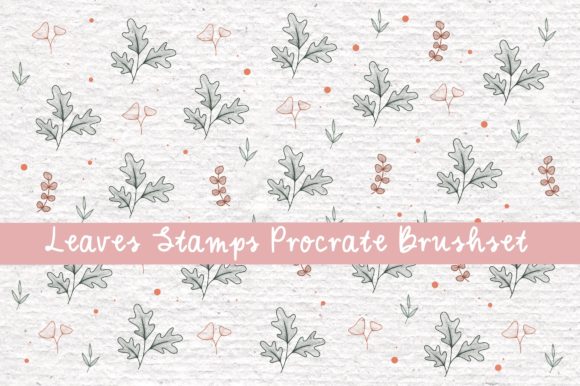
When you acquire Beautiful Brush, you receive two distinct but complementary assets: one brush file and one high-resolution JPG image. This combination addresses two common needs in creative and professional workflows: functionality and reference. The brush itself is a tool for creation, allowing for dynamic application in compatible software, while the high-resolution JPG serves as a versatile visual asset that can be used independently or as a guide.
The inclusion of a high-resolution JPG is particularly significant for professionals who may not always have the time or need to generate custom textures from scratch. This image can be immediately deployed in presentations, web layouts, or print materials where a specific aesthetic is required without the overhead of rendering. For entrepreneurs and small business owners, this means having a polished visual element ready for use in marketing campaigns, ensuring brand consistency without hiring additional design resources.
Pre-Production Planning and Asset Organization
Effective integration begins before you even open your design software. Proper preparation ensures that Beautiful Brush is accessible when inspiration strikes or deadlines loom. Start by establishing a dedicated folder structure within your digital asset management system. Create a subfolder labeled "Brushes" or "Textures" and place both the brush file and the JPG reference image inside. Naming conventions matter; consider including date stamps or project codes if you manage multiple clients or campaigns.
For freelancers and agencies, maintaining a centralized library of such resources prevents redundant purchases and saves valuable search time. By cataloging Beautiful Brush alongside other similar tools, you create a repository of trusted assets. This organizational habit supports long-term efficiency, allowing you to quickly retrieve the resource during the brainstorming phase of a new project. It also facilitates collaboration, as team members can access standardized tools, ensuring that all outputs maintain a cohesive visual language.
Implementation in Digital Design Workflows
Once organized, the next step is technical implementation. The brush component of Beautiful Brush is designed for compatibility with major digital art and photo editing platforms. Before starting a critical project, take a moment to test the brush settings. Adjust parameters such as opacity, flow, and spacing to match your specific stylistic requirements. This calibration phase is crucial for achieving consistent results, especially when working on large-scale projects like website designs or editorial layouts.
During the creation process, use the brush to add depth, texture, or emphasis to your compositions. For bloggers and content creators, this can mean adding subtle artistic touches to featured images, making them stand out in crowded social feeds. The tactile quality of a well-crafted brush can transform a flat digital image into something that feels more organic and engaging. Meanwhile, the high-resolution JPG can be used as a layer mask or background element, providing a base structure upon which you can build further design elements. This dual approach allows for both spontaneous creativity and structured design execution.
Leveraging the High-Resolution JPG for Marketing and Content
Beyond its role as a design reference, the high-resolution JPG included with Beautiful Brush has standalone value for marketers and publishers. In an era where visual content drives engagement, having access to high-quality imagery is essential. You can use this image directly in email newsletters, blog headers, or promotional banners. Its resolution ensures that it remains crisp across various devices, from mobile screens to desktop monitors.
For educators and trainers, this image can serve as a visual aid in slideshows or instructional materials. It can illustrate concepts related to texture, design principles, or artistic techniques without the need for complex explanations. By integrating this asset into your teaching resources, you enhance the visual appeal of your content, making it more memorable for students or trainees. The key is to view the JPG not just as a byproduct, but as a primary deliverable that solves immediate visual communication needs.
Quality Control and Consistency Across Projects
Maintaining quality control is vital for professionals who rely on their reputation for excellence. When using Beautiful Brush across multiple projects, ensure that its application aligns with your brand guidelines or client expectations. Create a style guide that documents how and when to use this specific brush and image. Note down preferred color palettes, blending modes, and contextual uses. This documentation helps maintain consistency, especially if you work with a team or outsource parts of your workflow.
Regularly review your outputs to assess how well the asset performs in different contexts. Does it scale well? Does it retain its integrity when compressed for web use? These observations will inform your future decisions and help you refine your usage strategies. Over time, you will develop an intuitive sense of where Beautiful Brush fits best, allowing you to deploy it more effectively and efficiently.
Long-Term Value and Scalability
The true measure of any tool is its long-term utility. Beautiful Brush is designed to be a lasting addition to your toolkit. As your skills evolve and your projects become more complex, this resource can adapt to new challenges. For instance, you might start by using the JPG for simple backgrounds, but later discover its potential as a texture overlay for advanced photo manipulation. The brush, too, can be modified and combined with other tools to create unique effects that distinguish your work.
For small business owners and entrepreneurs, this scalability means a higher return on investment. Instead of purchasing new assets for every campaign, you can leverage existing resources in innovative ways. This approach not only saves money but also fosters creativity, as constraints often lead to more ingenious solutions. By mastering the nuances of Beautiful Brush, you build a competitive advantage through efficient resource utilization.
Final Thoughts on Seamless Integration
Integrating Beautiful Brush into your workflow is about more than just installing a file; it is about adopting a mindset of preparedness and strategic resource use. By organizing your assets, testing compatibility, and understanding the dual nature of the deliverables, you position yourself for greater productivity and creative freedom. Whether you are designing a logo, creating educational content, or marketing a product, this tool offers the flexibility and quality needed to meet professional standards.
Remember that the most effective workflows are those that are tailored to your specific needs. Experiment with different applications, document what works, and remain open to new possibilities. With Beautiful Brush in your arsenal, you are equipped to handle a wide range of visual tasks with confidence and precision. Embrace the process, refine your technique, and let this resource enhance the quality and impact of your professional output.